Outdoor EV Charger Installation in Burlington Weather
An outdoor EV charger in Burlington has to handle rain, snow, and deep cold for years. A NEMA-rated unit, sealed terminations, and the right placement are what keep it safe and reliable through every season.
Published
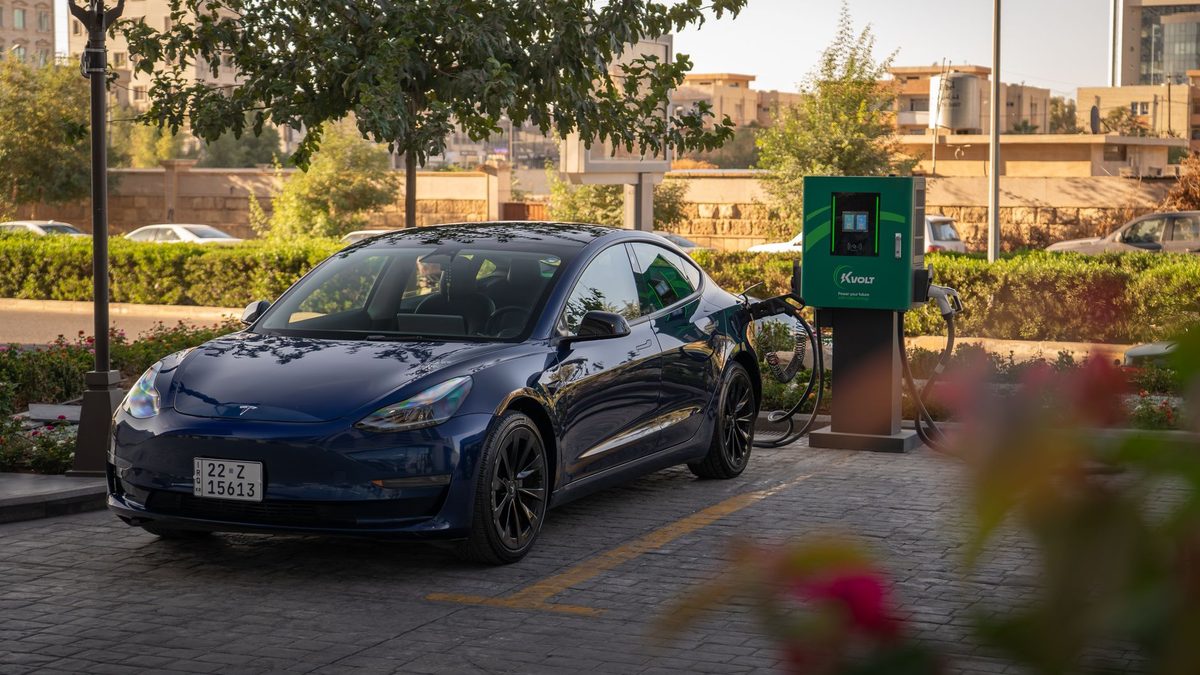
Burlington weather does not go easy on outdoor equipment. Lake-effect snow, freeze-thaw swings, and summer downpours all land on anything mounted outside, so an outdoor EV charger has to be built and installed for it. Burlington EV Charger Pros fits weather-ready chargers across the city, and this guide explains what NEMA ratings mean, how cold affects charging, and what safe outdoor placement looks like.
What a NEMA rating actually tells you
Outdoor charging hardware carries a NEMA enclosure rating that describes how well it keeps water and debris out. A charger rated for outdoor use is sealed against rain and the spray of melting snow, which is exactly what a Burlington install needs. When we spec a unit for an exterior wall, the rating is the first thing we check, because an indoor-only unit mounted outside is asking for trouble. Both a Tesla Wall Connector and a universal Level 2 charger are available in properly outdoor-rated versions.
Rain, snow, and sealed terminations
The charger body is only half the job. Every connection where wiring enters the unit or the wall has to be sealed against water:
- Weatherproof enclosures and gaskets at the unit
- Sealed conduit and fittings on the feed
- Terminations packed and finished to keep moisture out
- A mount that sheds water rather than collecting it
Skip any of these and water finds its way in over a few freeze-thaw cycles. Done right, the whole assembly stays dry through the worst of a Burlington winter.
How cold affects charging
Outdoor-rated chargers are built to operate through deep cold, so the unit itself keeps working when temperatures drop. What changes is the car, not the charger: an EV uses more energy per kilometre in winter, and a cold battery accepts charge more slowly until it warms. Charging overnight from your own driveway helps, since the car warms as it charges, and preconditioning while still plugged in means you leave with a warm battery and cabin. A smart charger that schedules a finish time just before you leave handles this automatically.
Safe outdoor placement
Where the charger goes matters as much as what it is. We look for a spot that is reachable from your parking position, protected from the worst direct weather where possible, and mounted at a height that keeps the unit and cable clear of snow buildup and salt spray. Away from where snow slides off a roof, and clear of standing water, is the goal. Good placement reduces wear and keeps the connector easy to reach with cold hands.
Why hard-wired suits an outdoor spot
For a permanent outdoor charger, hard-wiring is usually the cleaner choice. It removes an outdoor plug-and-socket connection, which is one less point for water to reach, and it supports higher amperage. A plug-in setup on a weatherproof 240-volt outlet is still an option when you want to remove the unit, but the outlet must be outdoor-rated and kept covered. For most fixed driveway installs, hard-wired wins on both tidiness and weather resistance. Our driveway charger guide covers the mounting side in more detail.
Permits, ESA, and panel capacity
An outdoor charger is a permitted job. EV charger installation should be completed by an ESA-licensed electrical contractor, with the outdoor terminations and wire sizing done to code and inspected. The panel check still applies too: many Burlington homes run a 100-amp service, and a load calculation decides whether a panel upgrade or load management is needed before the charger goes on the wall.
Living with an outdoor charger through the seasons
Once it is mounted and signed off, a weather-rated charger asks very little of you, but a couple of minutes of seasonal attention keeps it dependable through a Burlington winter. Knock built-up snow and ice off the unit and connector before you plug in on a storm morning, give the cable a quick look for wear when the cold sets in, and check that the holster and any enclosure seal are still seated. Good outdoor-rated gear is engineered to ride out lakeside freeze-thaw swings, so this is light-touch upkeep rather than a chore, and a Level 2 unit chosen and installed properly should still plug in cleanly several winters from now. That longevity is exactly why the rating and the weatherproofing are worth getting right at install time rather than after the first leak.
What to send before requesting a quote
- A photo of the exterior wall or spot where you want the charger
- A photo of your panel with the door open
- Rough distance from the panel to that outdoor spot
- Whether you prefer a hard-wired unit or a plug-in outdoor outlet
Want a charger built to stand up to Burlington weather year after year? Send your photos to the Burlington EV Charger Pros team through the quote form and we will spec a NEMA-rated unit, plan the placement, and quote one fixed price with the inspection included.
Frequently asked
What should the NEMA rating tell me when I buy an outdoor charger in Burlington?+
A NEMA enclosure rating describes how well the unit keeps water and debris out. For a Burlington exterior mount you want one rated for outdoor use, sealed against rain and the spray of melting snow off the lake. An indoor-only unit bolted to an outside wall is simply not safe for the weather here, so the rating is the first thing we check.
Does an EV charger keep working outdoors through a deep Burlington winter freeze?+
Yes. Outdoor-rated chargers are built to run through deep cold, so the unit itself keeps going. What slows down is the car: a cold battery takes charge more slowly until it warms, and an EV uses more energy in winter. Charging overnight on the driveway and preconditioning while still plugged in take care of both.
How do you keep a Burlington outdoor charger sealed against rain and snow?+
Through weatherproof enclosures, sealed conduit and fittings, properly finished terminations, and a mount that sheds water rather than pooling it. Every point where wiring enters the unit or the wall is sealed so moisture cannot creep in over a Burlington winter of repeated freeze-thaw. That weatherproofing is the heart of the whole install.
For an exposed Burlington spot, is hard-wiring really better than a plug-in outdoor charger?+
For a permanent outdoor mount, usually yes. Hard-wiring drops an outdoor plug-and-socket connection, one less path for water in a wet Burlington winter, and supports higher amperage. A plug-in setup is fine when you want to lift the unit off, but the outlet then has to be outdoor-rated and kept properly covered.
Where is the safest place to mount an outdoor charger on a Burlington home?+
Within reach of where the car parks, sheltered from the worst direct weather where the wall allows, and at a height that keeps the unit and cable clear of snow buildup and road salt. We aim it away from where snow slides off the roof and clear of standing water, which cuts wear and keeps the connector easy to grab with cold hands.