How Much Does It Cost to Charge an EV at Home in Burlington?
Charging an EV at home in Burlington runs most drivers $30 to $60 a month when they charge overnight on Burlington Hydro rates. That is a fraction of what the same kilometres cost in gasoline.
Published
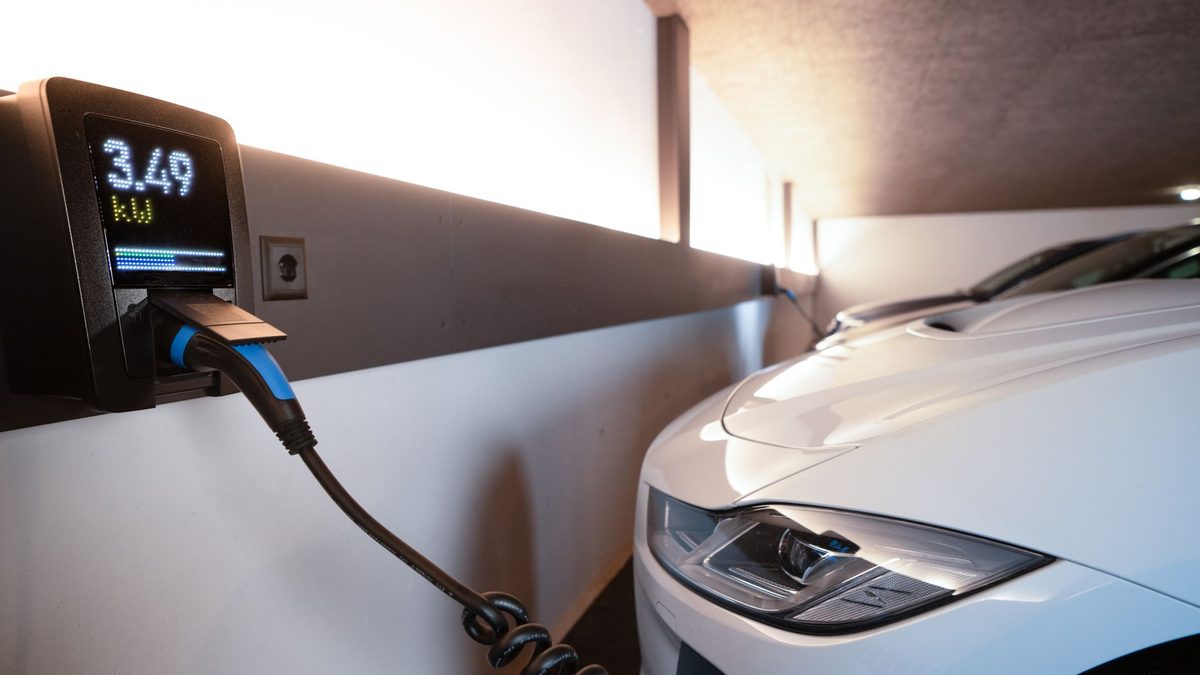
The install is a one-time line. What a Burlington driver actually notices month after month is the trickle of electricity cost, and on a driveway that fills overnight it stays pleasantly small. Burlington EV Charger Pros sets up home charging so the car draws its power during the cheapest hours of the night. This guide shows how that cost works out on Burlington Hydro rates, with worked examples you can line up against your own commute.
Why the season shifts the figure first
Before any worked example, the honest caveat for a Burlington driveway is that the bill is not flat across the year. Through December to February a cold battery and a hard-working cabin heater push energy use per kilometre up, so winter months simply read higher than a mild May. The fix lives right on your own driveway: precondition the car while it is still plugged in, drawing the warm-up from the grid rather than the battery, and you both soften the cost and climb into a warm, defrosted car on a frosty morning. A smart charger that times a finish just before you leave does this without a thought, which is one of the quiet perks of charging at home rather than at a public stall.
Working out your own monthly figure
You can estimate the bill in your driveway with three things you already know: your monthly distance, your car's appetite (most EVs sip 15 to 20 kWh every 100 km), and your overnight cents-per-kilowatt-hour. Stack them in that order, distance times efficiency times rate, and the monthly cost falls out close enough to plan around.
What that looks like for real Burlington commutes
| A month of driving | Roughly the energy it draws | Cost charging overnight |
|---|---|---|
| A light-use 1,000 km month | around 180 kWh | roughly $25 to $35 |
| An average 1,500 km month | around 270 kWh | roughly $38 to $52 |
| A heavy 2,000 km QEW-commuter month | around 360 kWh | roughly $50 to $70 |
Every line assumes the car fills during the cheapest overnight block. Let it charge through a peak weekday afternoon instead and the same kilometres cost noticeably more, which is the whole reason to schedule it for the small hours.
Why overnight charging wins
Burlington Hydro bills residential customers on time-of-use or tiered pricing, and the overnight window is the cheapest rate of the day. A Level 2 charger set to start once off-peak begins fills the car at the lowest price while you sleep. Our Burlington Hydro costs guide breaks the billing windows down further.
The Level 1 versus Level 2 cost myth
A common worry is that Level 2 charging costs more to run. It does not. The energy to add a kilometre of range is identical either way. Level 2 simply delivers it faster, which actually helps in winter especially, because a quick charge finishes inside the cheap overnight window while a slow Level 1 cord can spill into pricier morning hours just as your preconditioning kicks in.
Smart chargers and squeezing out more savings
A smart charger automates the whole thing. Set it to charge only during off-peak hours, and many models report exactly how much energy and money each session used. Some respond to app schedules or utility signals so you never think about it. Over a year the gap between scheduled and unscheduled charging adds up to real money.
How it stacks up against gas
For context, a gas car covering 1,500 km a month can easily burn $180 to $220 in fuel. The same distance in an EV charged overnight in Burlington is closer to $40 to $50. That gap is the running-cost case for going electric, before you count the lower maintenance. In effect your driveway becomes a private fuelling station that opens every night at the cheapest rate in town. A Tesla Wall Connector or any Level 2 unit captures that benefit the same way.
Home charging versus public charging
Charging at home is not just more convenient than driving to a public station, it is usually far cheaper. Public Level 3 fast chargers around Burlington and along the QEW are priced for speed, often several times your overnight home rate per unit of energy. They earn their keep on a road trip or an occasional top-up, but leaning on them for daily charging erases most of the savings of going electric. The home setup is what keeps an EV cheap to run, with public charging as the backup rather than the plan. For a commuter who parks at home every night, that is the whole point of installing a charger on the driveway.
What to send before requesting a quote
- Your EV model and roughly how far you drive each month
- A photo of your panel, so we can size a charger that finishes overnight
- Where you park, garage or driveway
Want your driveway to fill the car at the cheapest overnight hours, warm and ready for a frosty morning? Tell the Burlington EV Charger Pros team about your driving through the quote form and we will spec a Level 2 charger tuned to keep winter running costs low.
Frequently asked
What does a month of home charging actually cost a Burlington driver?+
Most land between $30 and $60 a month when they charge overnight on Burlington Hydro time-of-use rates. Your distance and your car's efficiency move the exact figure, and a hard winter nudges it up, but even then it sits well below what the same kilometres would burn in gasoline.
How much does a Burlington winter add to my charging bill?+
Enough to notice from December through February. A cold battery and a running cabin heater raise energy use per kilometre, so those months read higher than a mild one. Preconditioning the car while it is still plugged into the driveway softens the increase and hands you a warm, defrosted car for the morning.
Is overnight really the cheapest time to fill the car in Burlington?+
Yes. Burlington Hydro's overnight block is the lowest rate of the day, so a charger set to run after off-peak begins keeps the bill down. Let it pull through a peak weekday afternoon instead and the same energy costs noticeably more, winter or summer.
For a Burlington driver, does a Level 2 charger cost more per kilometre to run than the trickle cord?+
No. The energy to add a kilometre of range is identical on either one. Level 2 just delivers it faster, which actually saves money in a Burlington winter, since it finishes inside the cheap overnight window instead of dribbling into pricier morning hours as your preconditioning starts.
How do I rough out my own Burlington charging cost?+
Take your monthly kilometres, multiply by your car's efficiency of about 15 to 20 kWh per 100 km, then by your overnight rate per kilowatt-hour. That gets you close. A smart charger reports each session's actual energy and cost, so after a month you can stop estimating and read the real number.