Burlington Hydro EV Charging Costs for Homeowners
An EV that sleeps on a Burlington driveway charges cheapest in the dead of night, when Burlington Hydro power is at its lowest rate, and that gap only widens in winter when a cold car asks for more energy. This guide reads the seasons rather than the rate card, and shows how a scheduled charger leans into them.
Published
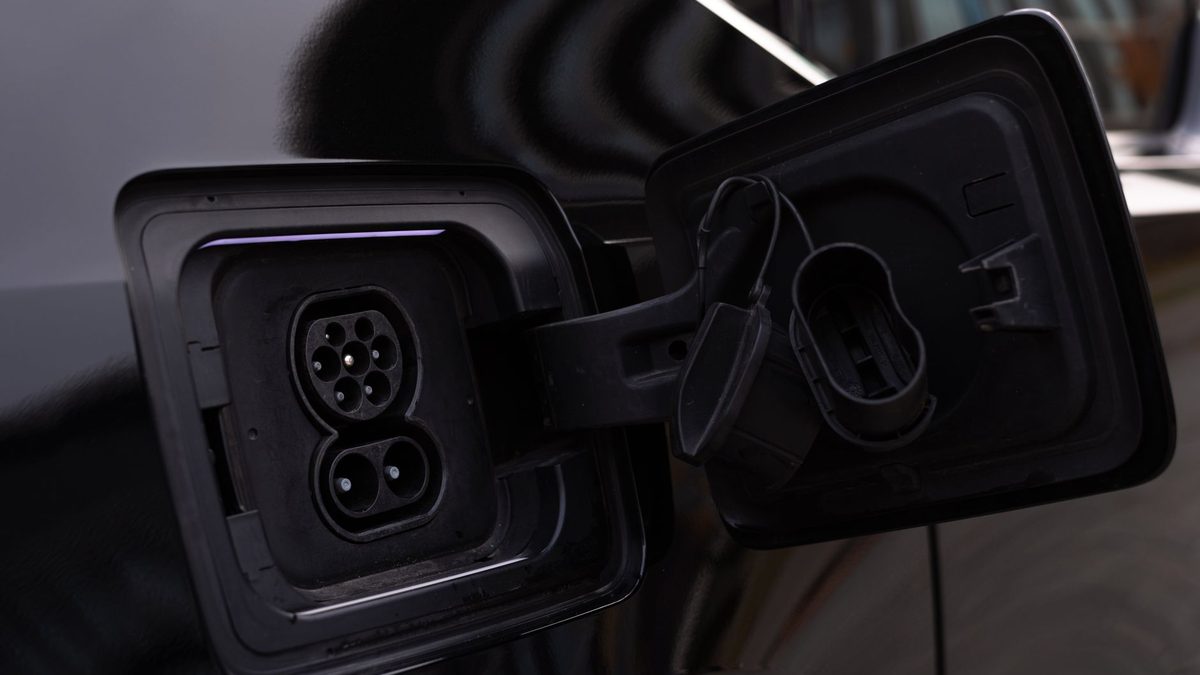
Picture your EV parked outside on a January night, frost setting on the windows while the rest of Burlington sleeps. Those quiet hours are when grid demand bottoms out and Burlington Hydro power is at its cheapest, and they happen to be exactly when your car is idle and ready to drink. Burlington EV Charger Pros wires home chargers to fold into that nightly rhythm, so the car fills while the price is low and is warm and ready by the time you back out of the driveway. What follows tracks how that plays out through a Burlington year rather than reciting a rate sheet.
Driveway charging across the Burlington seasons
An outdoor charger lives a different life in February than it does in July, and the bill follows suit. A cold-soaked battery on a frosty Burlington morning sips charge more slowly and a busy cabin heater pulls extra, so winter energy use per kilometre simply runs higher than a mild spring. The saving grace is that the cheapest power and your longest idle stretch both land overnight, season after season. A car left plugged in on the driveway warms itself as it charges in the small hours, so you trade the priciest daytime rate for the cheapest nighttime one and step into a defrosted car at dawn. The seasons change the size of the charge; the best hour to take it does not.
When power is cheap and when it is dear
Two facts decide most of your charging cost. The first: across a weekday, the small overnight and pre-dawn hours carry Burlington Hydro's lowest time-of-use rate, while the working day and dinner stretch are dearest, and a mid-peak shoulder sits in between. The second: weekends and statutory holidays run at the cheap off-peak rate around the clock, which is the moment for a deep top-up before a heavy commuting week or a winter road trip. Set against that, an EV on a driveway is the easiest load in the house to shift, since it is parked and patient through the whole cheap window.
The two rates an EV actually lives between
| Charging window | What it means for your driveway |
|---|---|
| Overnight off-peak, plus weekends and holidays | The cheap window your car should do nearly all its charging in |
| Weekday on-peak, the working day into the dinner hours | The dear window to keep the charger idle through |
The mid-peak shoulder between them rarely earns a charge: only worth a look if you arrive home short and need a few kilometres before the overnight window opens. The exact prices are not ours to quote, since Burlington Hydro sets its cents-per-kilowatt-hour under rates the provincial regulator reviews and resets from time to time. The numbers drift; the pattern of cheap nights and costly afternoons stays put, and it is all your schedule needs to know.
Overnight scheduling for a Burlington winter
The whole strategy comes down to one setting: charge in the small hours, every night, automatically. A smart charger handles that on its own, waking after the off-peak window opens and topping the car up before morning, and most will report exactly how much energy and money each session used so you can watch the winter months read higher and the mild ones read lower. Better still, schedule the finish for just before you leave and the car preconditions on grid power while still plugged in, so a frosty driveway hands you a warm battery and a clear windshield without denting the saving. Paired with a Level 2 install, or a plug-in 240-volt outlet feeding a managed unit, it means the cold never costs you the cheap rate.
Time-of-use, tiered, and the ultra-low overnight plan
Burlington Hydro residential customers generally sit on one of two structures, and there is a third worth a phone call. Time-of-use prices the day in those off-peak, mid-peak, and on-peak blocks, which rewards an overnight charger directly. Tiered pricing charges one flat rate up to a monthly threshold and a higher rate above it, and a winter of heavy charging can tip a household over that line into the dearer tier. Ontario also runs an ultra-low overnight plan built for exactly this driveway pattern, trading a very cheap overnight block against a steeper daytime rate. For a Burlington EV owner who charges at night and uses little power by day, that third plan can be the keenest of the lot, so it is worth asking Burlington Hydro which one fits your household before another winter.
Changing plans is a phone call, not a rewire
Deciding that time-of-use or the ultra-low overnight plan suits your charging better means a request to Burlington Hydro, not a visit to the panel. There can be limits on how often you switch, so weigh it once and commit. The logic is simple: a driver who fills the car overnight and is out through the day almost always comes out ahead on whichever plan pays the most for off-peak use.
Read the energy line, not the bottom line
New EV owners are often caught off guard that the cents-per-kilowatt-hour figure is only one slice of the statement. Burlington Hydro also tacks on delivery and regulatory lines that stay fixed whether you charge at noon or at three in the morning. Your EV only feeds the energy slice, and that slice is the one the time-of-use windows govern, so moving your charging to off-peak pulls down precisely the portion of the bill that responds to when you plug in. The fixed delivery lines sit untouched, which is why the headline saving on your whole bill reads smaller than the saving measured against energy alone. Track your charging cost on the energy line specifically, and put one winter month before scheduling next to one after, to read the true payoff of charging in the right hours.
What to send before requesting a quote
- Your EV model and rough nightly charging need
- A photo of your panel for sizing
- Whether you want app scheduling or a simple timer setup
Want a charger that always runs at the cheapest Burlington Hydro hours, warm and ready before a frosty morning? Send your details to our installation team via the quote form and we will recommend a smart charger and a schedule matched to your rate plan and your driveway.
Frequently asked
When does Burlington Hydro power get cheap enough to charge the car?+
The overnight off-peak block under time-of-use pricing is the lowest rate, and weekends and holidays run off-peak all day. Since that overnight stretch is exactly when the car sits parked on the driveway, scheduling the charger to run then captures the cheapest rate on its own, which counts for most through a hungry winter.
On Burlington Hydro, is time-of-use or tiered pricing kinder to an EV?+
Time-of-use usually wins for an EV owner, because overnight charging drops into the cheapest off-peak block. Tiered pricing charges one flat rate up to a monthly threshold, and a winter's worth of charging can push you over it into the higher rate. Weigh both against how you actually drive and charge.
Is there an EV-friendly rate plan worth asking Burlington Hydro about?+
Ontario offers an ultra-low overnight plan built for this exact pattern, with a very cheap overnight block traded against a steeper daytime rate. If you charge at night on the driveway and use little power during the day, it is worth asking Burlington Hydro whether that plan fits your household.
How much can scheduling on a smart charger trim my Burlington Hydro bill?+
A smart charger keeps your charging in the off-peak hours every night, which can cut the cost meaningfully against haphazard charging that strays into peak rates. The exact saving tracks your driving, and it grows in winter when the car needs more energy, so over a year it is a clear win.
Will the Burlington Hydro rates I charge at stay the same?+
No, expect them to move. Both the cents-per-kilowatt-hour and the time-of-use windows are set under provincial regulation and get reviewed and reset every so often, so Burlington Hydro is the place to read the current figures. What never changes is the seasonal shape, cheap overnight and costly through the day, so aiming your charging at the small hours stays the lowest-cost move whatever the latest numbers say.